
Welcome to the RM Risk Management Blog
This is the area for all things RM news related

Water Hygiene Responsibilities for Duty Holders: Legionella, Risk Assessments and Staying Compliant
Water hygiene does tend to get pushed to the back of the line when it comes to building safety, with a larger focus being placed on fire risks and asbestos. However, for landlords, managing agents and employers responsible for commercial buildings, that doesn't mean water safety can be left unchecked. Where there is [...]
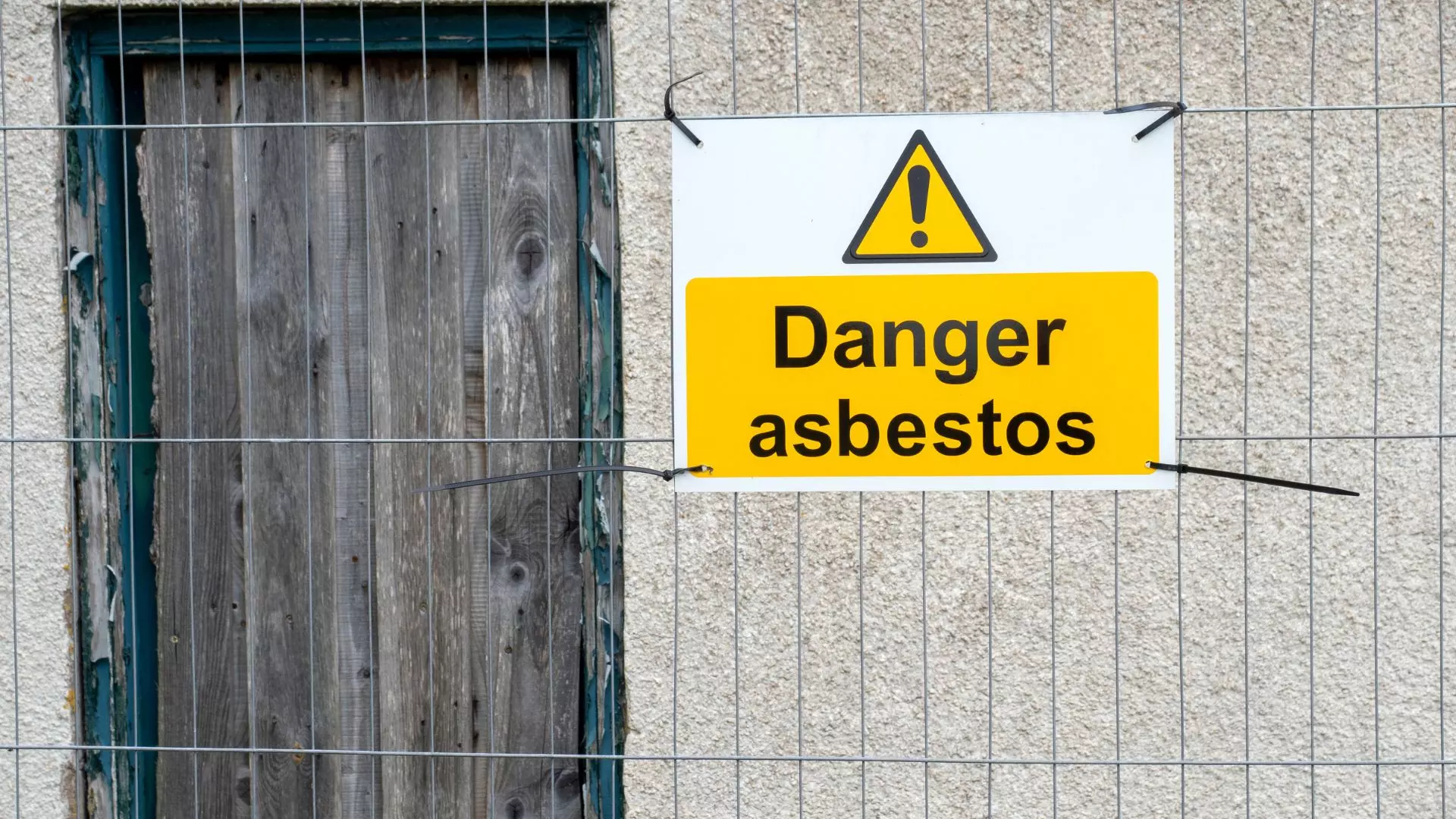
Where Is Asbestos Found in Commercial Buildings? Common Locations and the Risks of Getting It Wrong
Ask most people where they would expect to find asbestos in an older commercial building and the answer will probably be somewhere around the roof, pipes or old insulation. Those are accurate guesses, but it only covers some of the many possibilities. Asbestos was used in an enormous range of products, largely because it was strong, durable and resistant to heat and fire. As a [...]
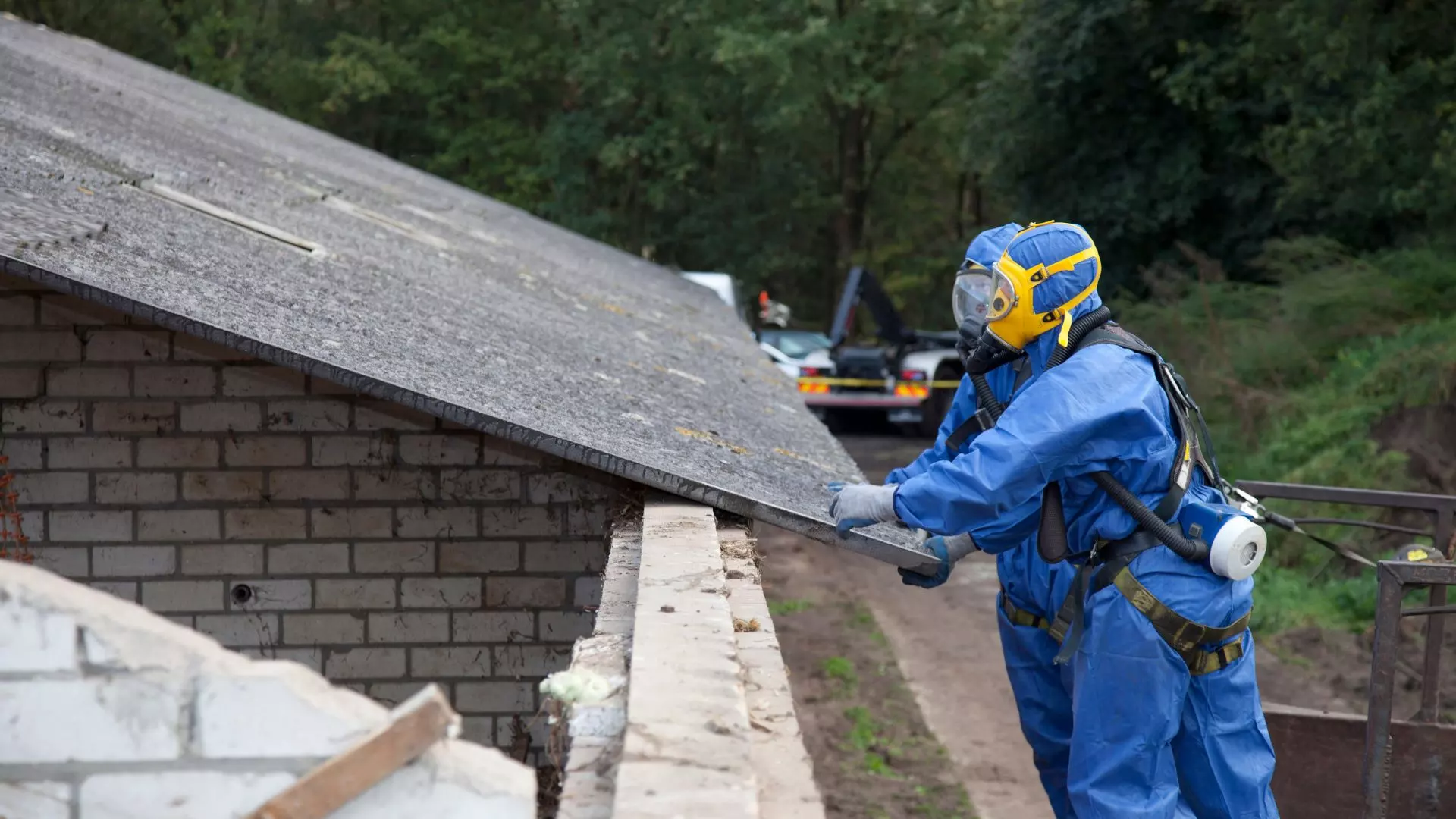
What Happens After an Asbestos Survey? Typical Actions and Next Steps Explained
Having an asbestos survey carried out is an important first step, but it can also leave you scratching your head and wondering what happens next. You’ve got a report, a collection of sample results and perhaps a few terms you’re not entirely sure how to interpret. So, what are you expected to do with all of this information? For duty [...]
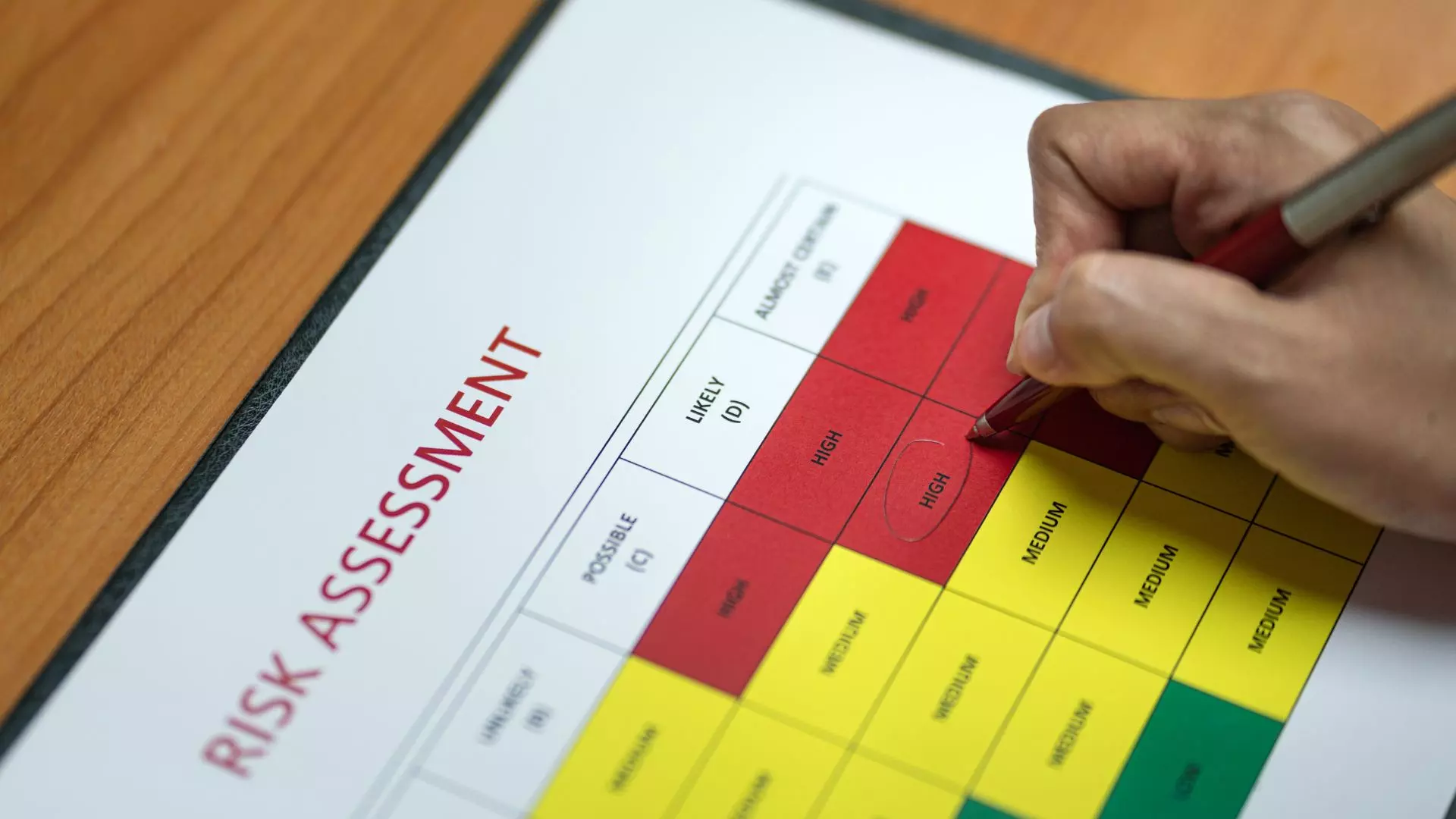
What Does a Health and Safety Risk Assessment Include? A Complete Guide for Property Owners and Managers
When you own, manage or occupy a commercial property, health and safety responsibilities can sometimes feel like a long list of things to keep on top of. From maintenance checks and contractor paperwork to fire safety and building compliance, it can be difficult to know exactly what needs to be reviewed and [...]

Why (and How) You Should Inform the Fire and Rescue Service About Asbestos in Your Building
If your building has asbestos, you're probably already aware of your responsibilities when it comes to managing it safely and staying compliant. But did you know you should also tell your local fire and rescue service? It's something that's often overlooked, yet it could make a big difference if there's ever a fire at your property. When asbestos-containing materials are exposed to [...]

How Good Maintenance Practices Reduce the Risk of Fire in Your Building
When people think about fire safety, it’s pretty normal that the first things to come to mind are fire alarms, extinguishers and emergency procedures. While these are all obviously important, many building fires can be traced back to something far more straightforward: poor maintenance. Things like blocked escape routes, combustible materials stored in the wrong place, damaged fire doors [...]
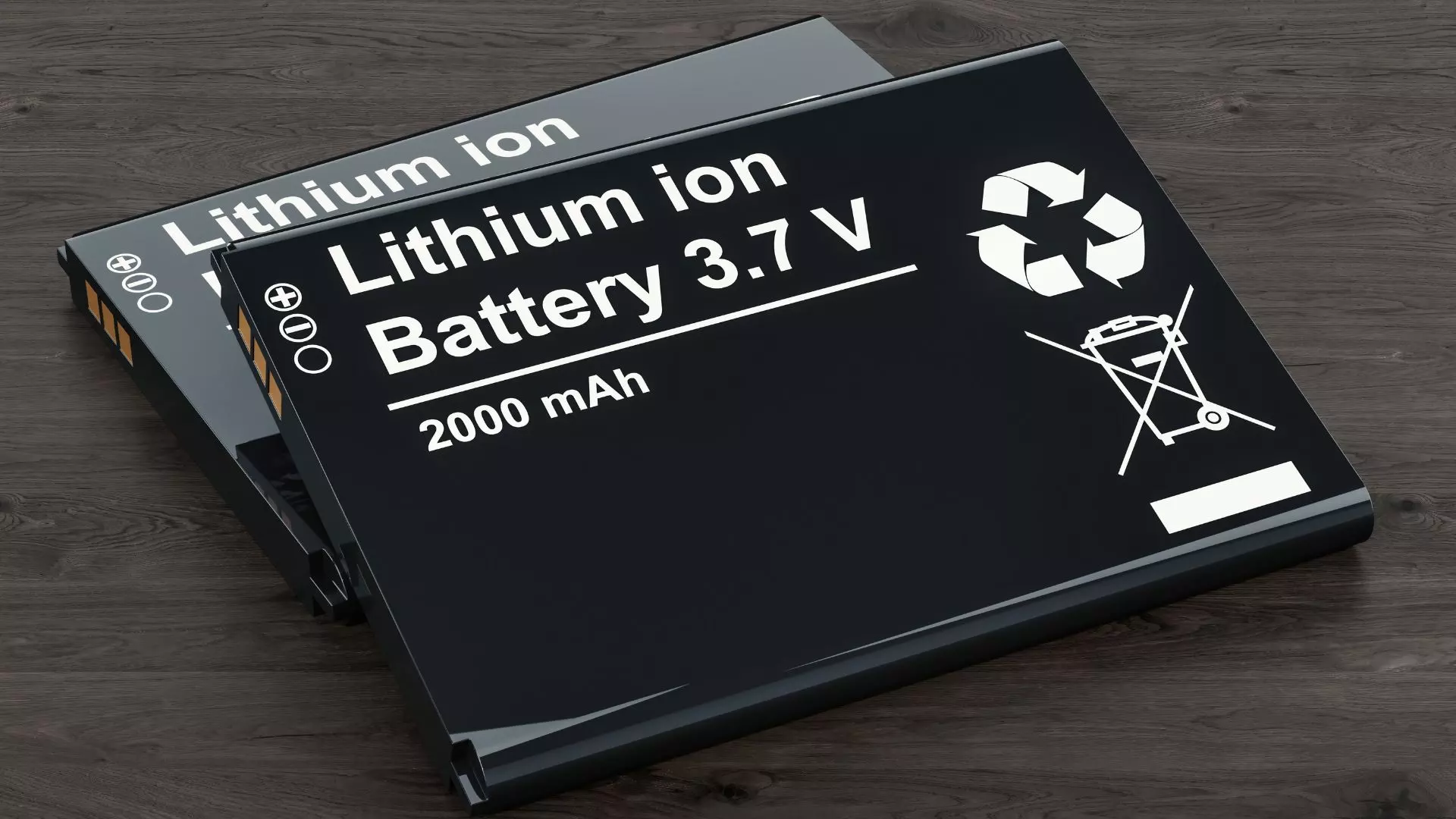
Lithium-Ion Battery Fires: Why Are They a Growing Risk and How Can They Be Managed?
From smartphones and laptops to e-bikes, power tools and electric vehicles, lithium-ion batteries have become part of everyday life. This is all thanks to the fact that they’re efficient, rechargeable and essential to many of the devices we now rely on. But they also introduce a fire risk that building owners, landlords and responsible persons can no [...]
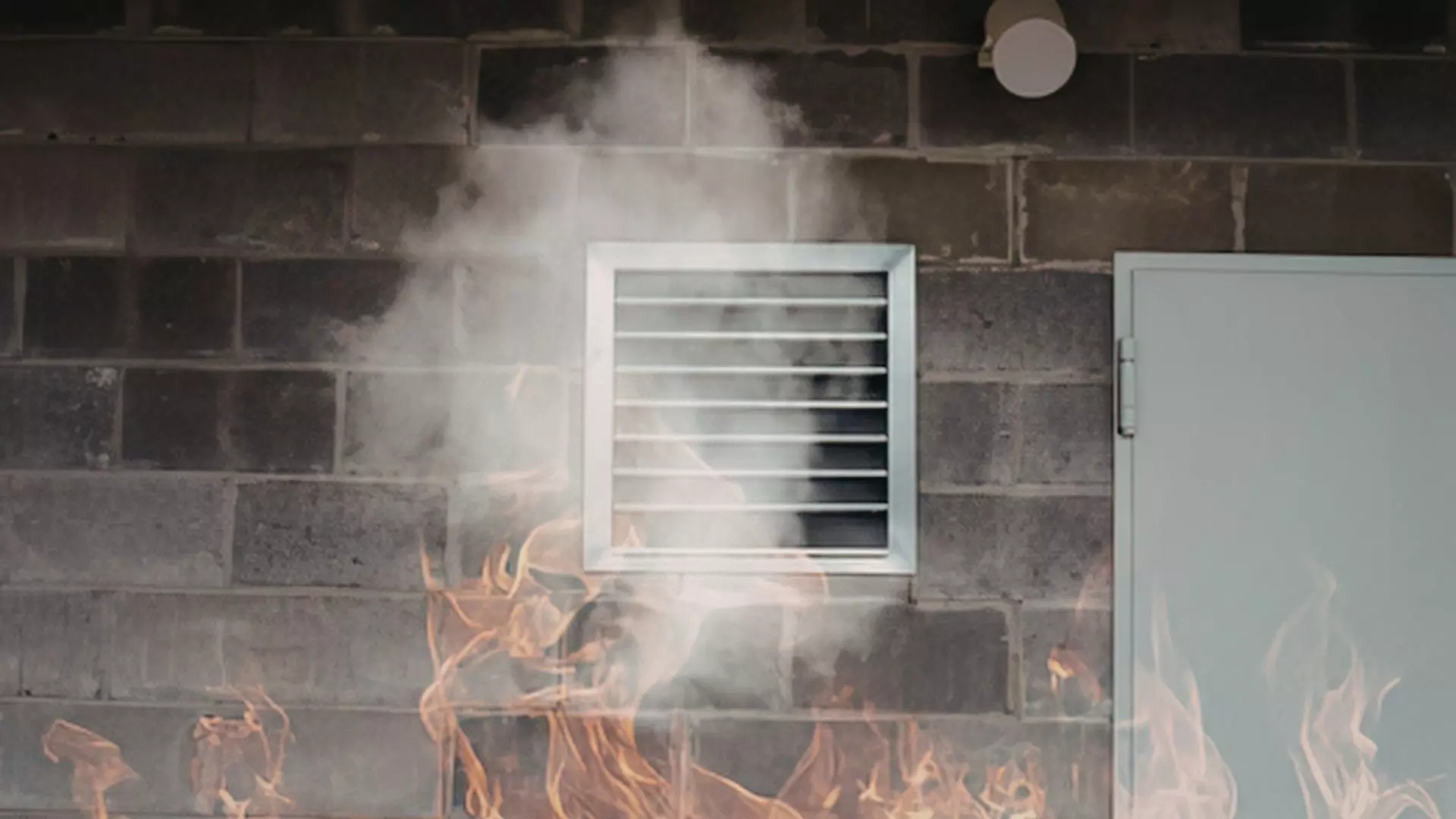
Smoke Vent Maintenance Requirements: What Building Owners and Facilities Managers Must Know
Smoke ventilation systems are a major but often overlooked part of a building’s fire safety infrastructure. Because they are usually hidden within roofs, stairwells, or high-level façades, they are easy to forget about during routine facilities management. However, when a fire occurs, a properly functioning smoke ventilation system plays a vital role in protecting escape [...]

Fire Rated Glass in Building Design: What Property Owners and Facilities Managers Need to Know
Unsurprisingly, not many people really think about fire rated glass until something goes wrong. It tends to sit in fire doors, partitions, and corridor walls without much attention. It just becomes part of the building fabric. That only really changes when a fire door inspection picks up an issue, or when refurbishment work [...]

Fire Risk Assessment Review Frequency: How Often Should You Review Your Fire Risk Assessment?
Many landlords, property managers, and business owners commission a fire risk assessment and assume the work is complete. In reality, UK fire safety legislation makes clear that a fire risk assessment is not a one-time exercise. It is a “living document” that must evolve alongside the building, its occupants, and the risks within it. Failing to [...]
The Hidden Hazard: Asbestos Risks in Older UK Warehouses When Fire Strikes
What is Asbestos and Why Was it Used? Asbestos is a naturally occurring mineral that was once widely used in building insulation, roofing, pipe lagging, and fireproofing materials. In the mid-20th century, it was a staple of warehouse construction due to its low cost and impressive heat resistance. However, [...]

Understanding Smoke Patterns After a Fire
1. Introduction Smoke patterns are a key component of post-fire analysis. They provide insight into the fire’s origin, development, and interaction with the surrounding environment. This report outlines the methods for identifying and interpreting smoke patterns to support accurate fire investigations. 2. Purpose of Analysing Smoke Patterns Smoke deposits [...]

Landlord Fire Safety Responsibilities in Multi-Tenant Buildings: Who Is Responsible for What?
In multi-tenant buildings, fire safety responsibility is often assumed rather than clearly understood. Most people default to the idea that the landlord is responsible for everything, but that’s not how the legislation works in practice. Responsibility is shared between landlords, tenants, and sometimes managing agents. The issue isn’t that the law is unclear, it’s that the way responsibility is split [...]
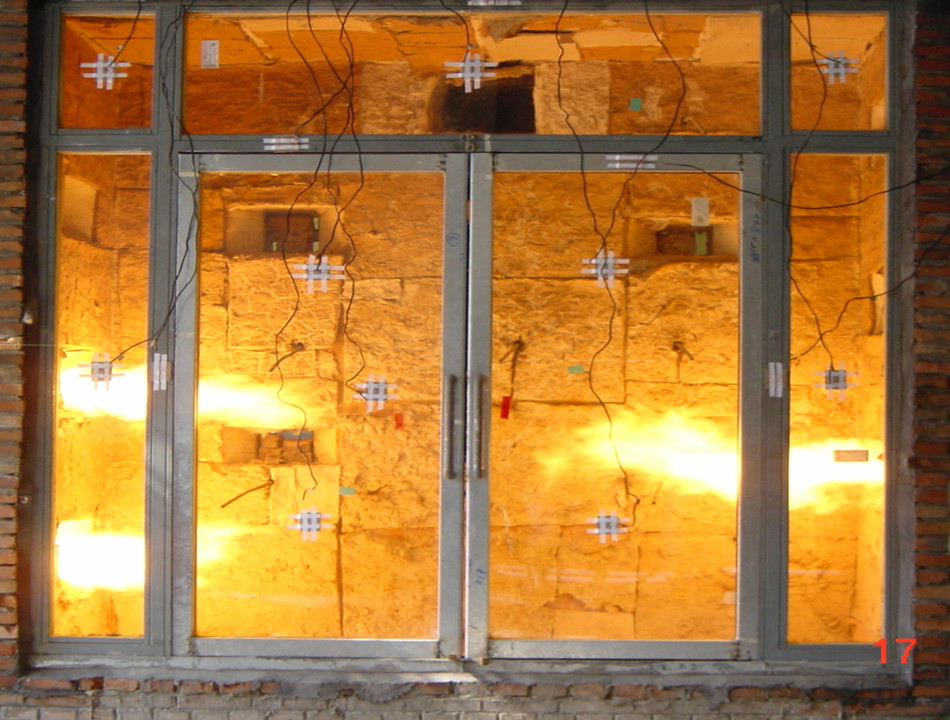
The Critical Importance of Fire Rated Glass in Building Design
What is Fire Rated Glass? Fire-rated glass, also known as fire-resistant safety glass, provides a protective barrier against smoke and flames in the event of a fire. The level of protection offered varies depending on the specific type of glass used. All fire-rated glass is designed to prevent the [...]
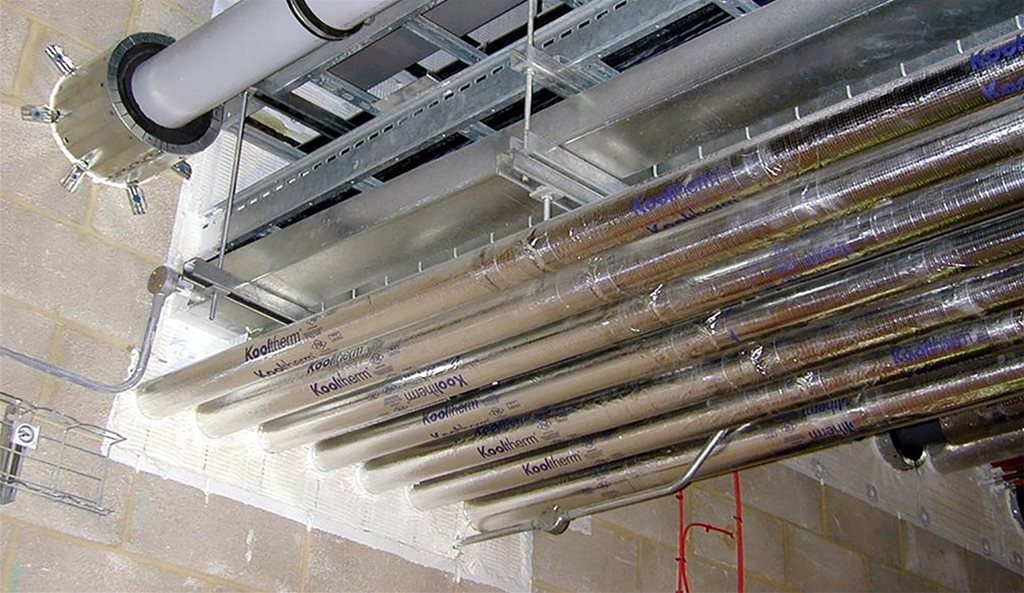
Fire Stopping Risks in Buildings: What Every Property Owner Needs to Know
We all know the basics when it comes to fire safety in buildings. Things like alarms, extinguishers, and evacuation procedures are common knowledge. But did you know that some of the most important safety measures are the ones you never see? Passive fire protection is designed to contain fire and smoke within specific areas of a building, slowing its [...]

Understanding Notional, Nominal, and Upgraded Fire Doors: When to Upgrade
We are often asked to explain the differences between notional fire doors, nominal fire doors, and upgraded fire doors and how these differ from certified fire doors. There can be a lot of confusion surrounding fire doors, so we’ve compiled this short explanation. What are Nominal Fire Doors? A nominal [...]

Why Informing The Fire and Rescue Service about Asbestos Is Crucial
Asbestos management in commercial buildings like offices, warehouses, and industrial spaces is crucial. It’s essential to inform your local Fire and Rescue service about any asbestos materials present. This step ensures the safety of their staff and the surrounding community. Many Fire and Rescue services offer online portals for [...]
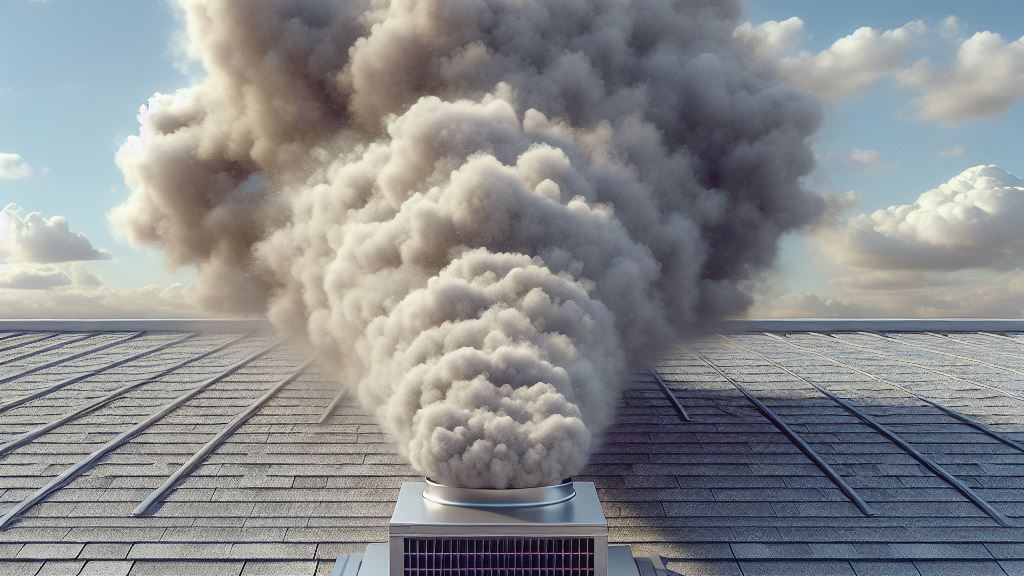
Understanding the Importance of Ventilation in Fire Safety
When a fire breaks out in a building, the flames are not the only danger to occupants—smoke inhalation is a leading cause of fatalities in fire-related incidents. Smoke contains toxic gases and particles that can reduce visibility, impede evacuation, and cause respiratory distress. This is where ventilation systems play [...]

What Are Oxidising Materials?
Oxidising materials can significantly increase the intensity of fires, turning substances that generally do not burn readily into almost instant tinderboxes for chaos and destruction. The true danger of oxidising materials lies in their ability to create spontaneous combustion reactions that can occur without a clear ignition source. For [...]

Are Fire Hydrants on Private Land often Forgotten?
A fire hydrant is a point where firefighters can access and connect to a water supply. It may be underground or a pillar type above ground. Fire hydrants (FH) are used to access water directly from the local mains supply to provide water for firefighting and are an important component [...]
