
Welcome to the RM Risk Management Blog
This is the area for all things RM news related

Are Lithium-Ion Batteries Changing the Nature of Fire Risk in the Built Environment?
Over the last decade, the conversation around fire safety in commercial buildings has largely focused on construction materials, compartmentation, and evacuation strategies. These remain critical considerations. However, a quieter and arguably more profound shift is now underway — one driven not by how buildings are constructed, but by how [...]

The Hidden Loophole in UK Fire Safety Law: Why Annual Fire Risk Assessment Reviews Must Become Mandatory for Sleeping Accommodation
As fire-safety professionals, we all know the drill: the Regulatory Reform (Fire Safety) Order 2005 requires every dutyholder to review their fire risk assessment regularly to ensure it remains valid and up to date. But here lies the problem. The legislation does not define what “regularly” means. There is [...]
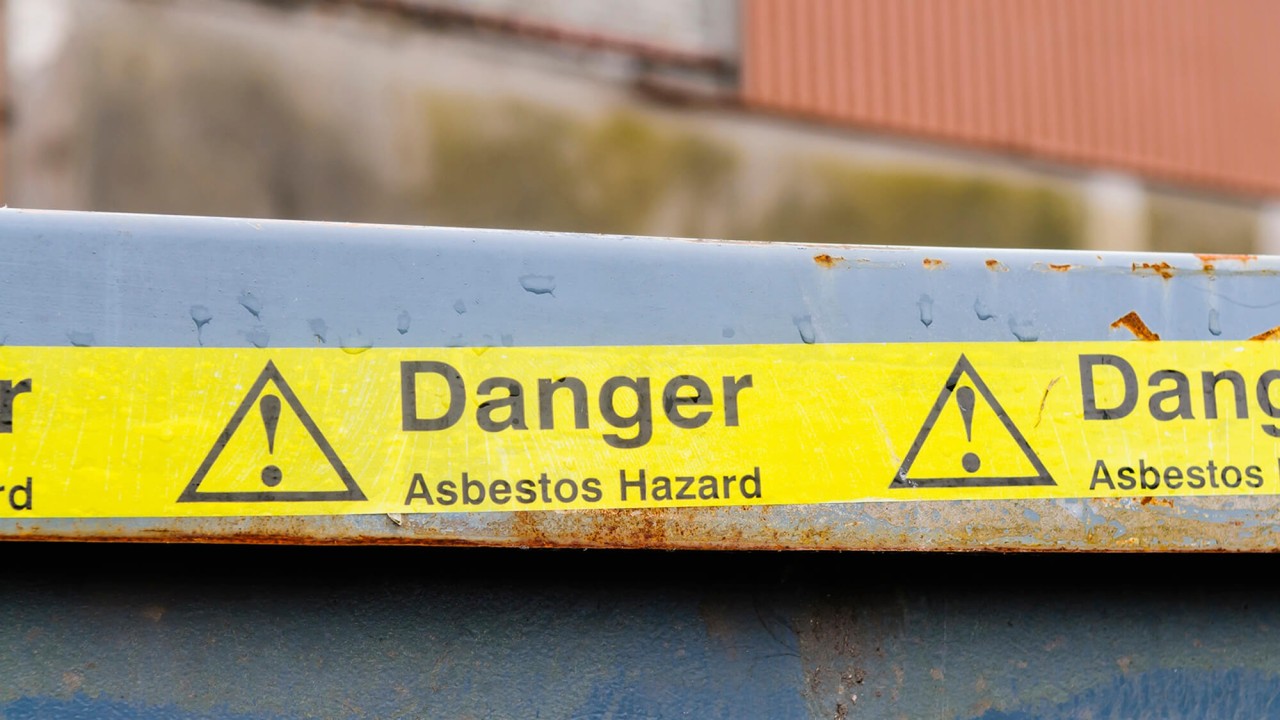
The Hidden Hazard: Asbestos Risks in Older UK Warehouses When Fire Strikes
What is Asbestos and Why Was it Used? Asbestos is a naturally occurring mineral that was once widely used in building insulation, roofing, pipe lagging, and fireproofing materials. In the mid-20th century, it was a staple of warehouse construction due to its low cost and impressive heat resistance. However, [...]

Understanding Smoke Patterns After a Fire
1. Introduction Smoke patterns are a key component of post-fire analysis. They provide insight into the fire’s origin, development, and interaction with the surrounding environment. This report outlines the methods for identifying and interpreting smoke patterns to support accurate fire investigations. 2. Purpose of Analysing Smoke Patterns Smoke deposits [...]

Should Landlords Take More Responsibility For Fire Safety in Multi Tenanted Buildings?
Since October 1, 2006, the Regulatory Reform (Fire Safety) Order 2005 has required the Responsible Person (RP) for any non-domestic premises to conduct a fire risk assessment. This assessment must include measures to reduce or eliminate fire risks and identify individuals at risk. If the RP does not have control [...]
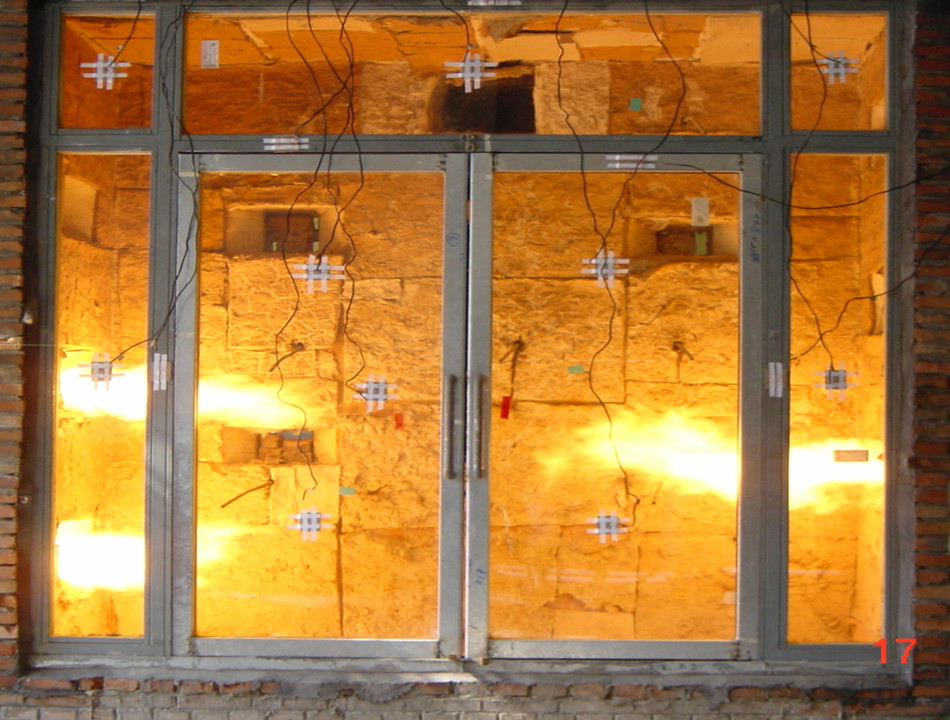
The Critical Importance of Fire Rated Glass in Building Design
What is Fire Rated Glass? Fire-rated glass, also known as fire-resistant safety glass, provides a protective barrier against smoke and flames in the event of a fire. The level of protection offered varies depending on the specific type of glass used. All fire-rated glass is designed to prevent the [...]
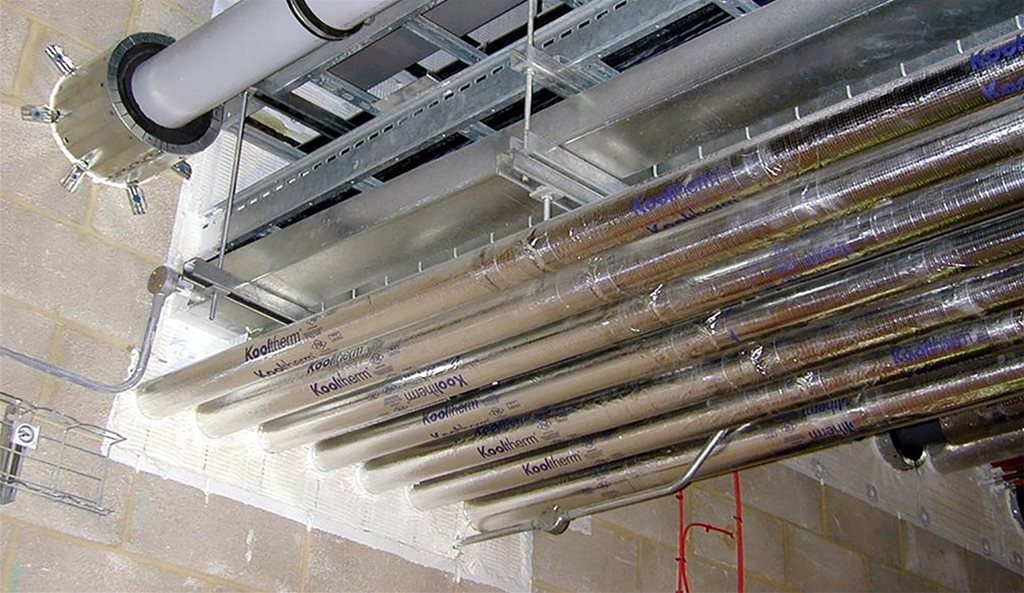
Key Risks Associated With Poor Fire Stopping
Poor fire stopping poses a significant risk of rapid fire spread within a building, potentially leading to substantial property damage, loss of life, and injuries to occupants due to the unchecked movement of flames and smoke through gaps and openings where fire stops should be installed properly; essentially, it can turn a [...]

Understanding Notional, Nominal, and Upgraded Fire Doors: When to Upgrade
We are often asked to explain the differences between notional fire doors, nominal fire doors, and upgraded fire doors and how these differ from certified fire doors. There can be a lot of confusion surrounding fire doors, so we’ve compiled this short explanation. What are Nominal Fire Doors? A nominal [...]

Why Informing The Fire and Rescue Service about Asbestos Is Crucial
Asbestos management in commercial buildings like offices, warehouses, and industrial spaces is crucial. It’s essential to inform your local Fire and Rescue service about any asbestos materials present. This step ensures the safety of their staff and the surrounding community. Many Fire and Rescue services offer online portals for submitting [...]
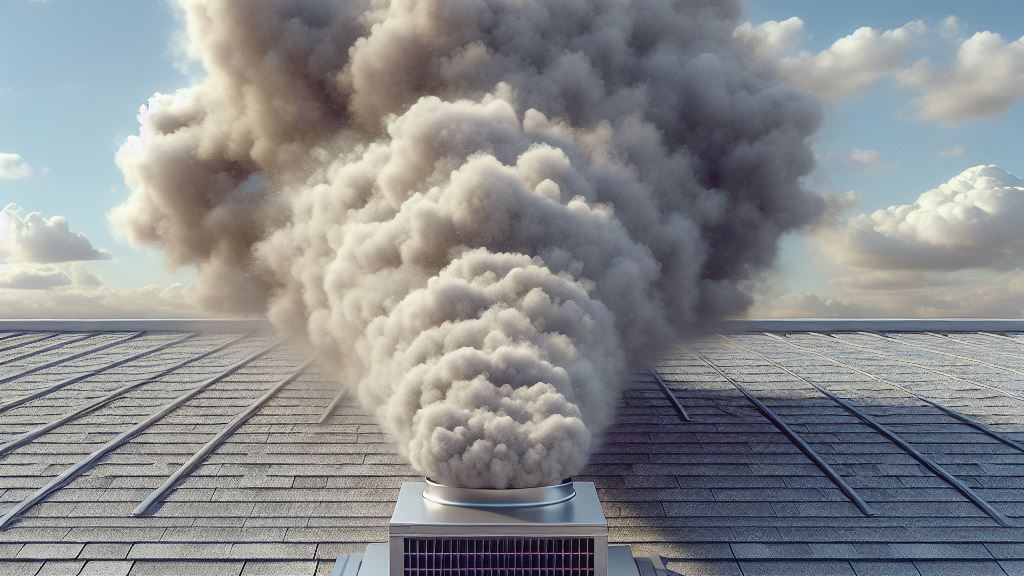
Understanding the Importance of Ventilation in Fire Safety
When a fire breaks out in a building, the flames are not the only danger to occupants—smoke inhalation is a leading cause of fatalities in fire-related incidents. Smoke contains toxic gases and particles that can reduce visibility, impede evacuation, and cause respiratory distress. This is where ventilation systems play [...]

What Are Oxidising Materials?
Oxidising materials can significantly increase the intensity of fires, turning substances that generally do not burn readily into almost instant tinderboxes for chaos and destruction. The true danger of oxidising materials lies in their ability to create spontaneous combustion reactions that can occur without a clear ignition source. For [...]

Are Fire Hydrants on Private Land often Forgotten?
A fire hydrant is a point where firefighters can access and connect to a water supply. It may be underground or a pillar type above ground. Fire hydrants (FH) are used to access water directly from the local mains supply to provide water for firefighting and are an important component [...]
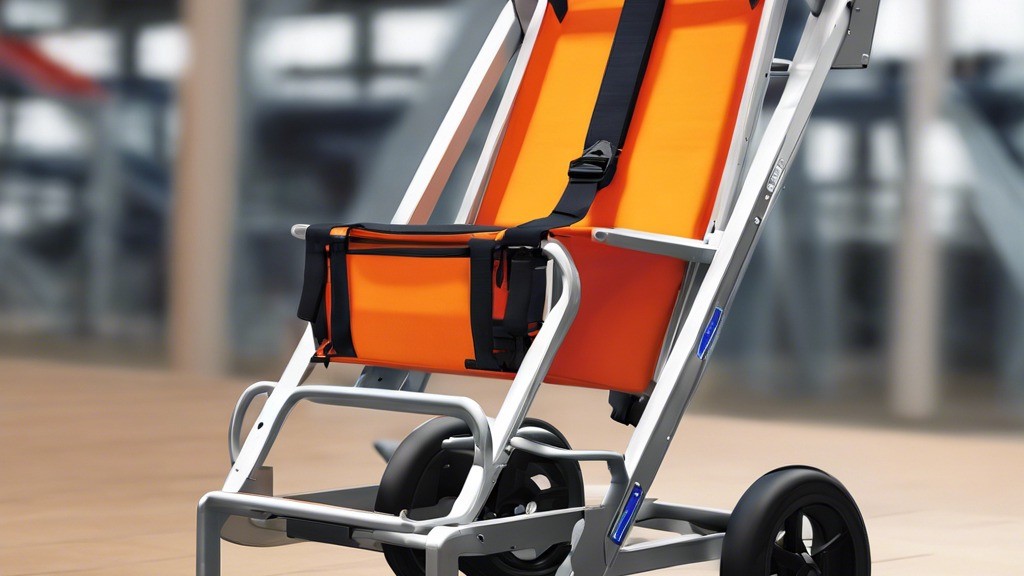
Who is actually responsible for the less-abled evacuation?
A common recurring question regarding less able evacuation, which we are frequently asked 2-3 times a month, is: “Do we have evacuation chairs on our premises, or should the landlord manage this?” While the UK law does not require the use of evacuation chairs, it holds building owners, operators, or [...]

Smoke Baffles Add Protection to Your Buildings
The saying “smoke is more dangerous than fire” is true when it comes to building fires. Smoke from a fire can be deadlier and cause more damage than the fire itself. In commercial buildings, various items made of plastics and chemicals can produce toxins when they burn, posing hazards to [...]
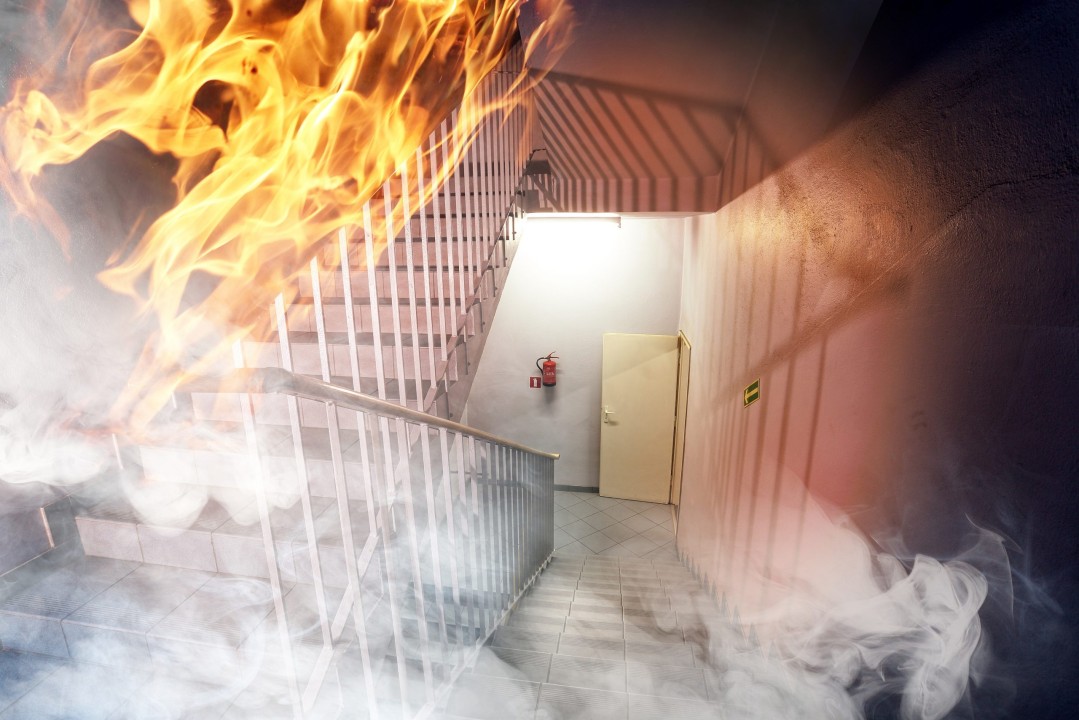
What is a Cavity Barrier?
Cavity barriers are blocks of fire-resistant material used to seal off empty spaces within a building in order to prevent the spread of fire. These spaces, known as cavities, are typically found within walls and are surrounded by different building elements. They do not serve any specific function and can [...]
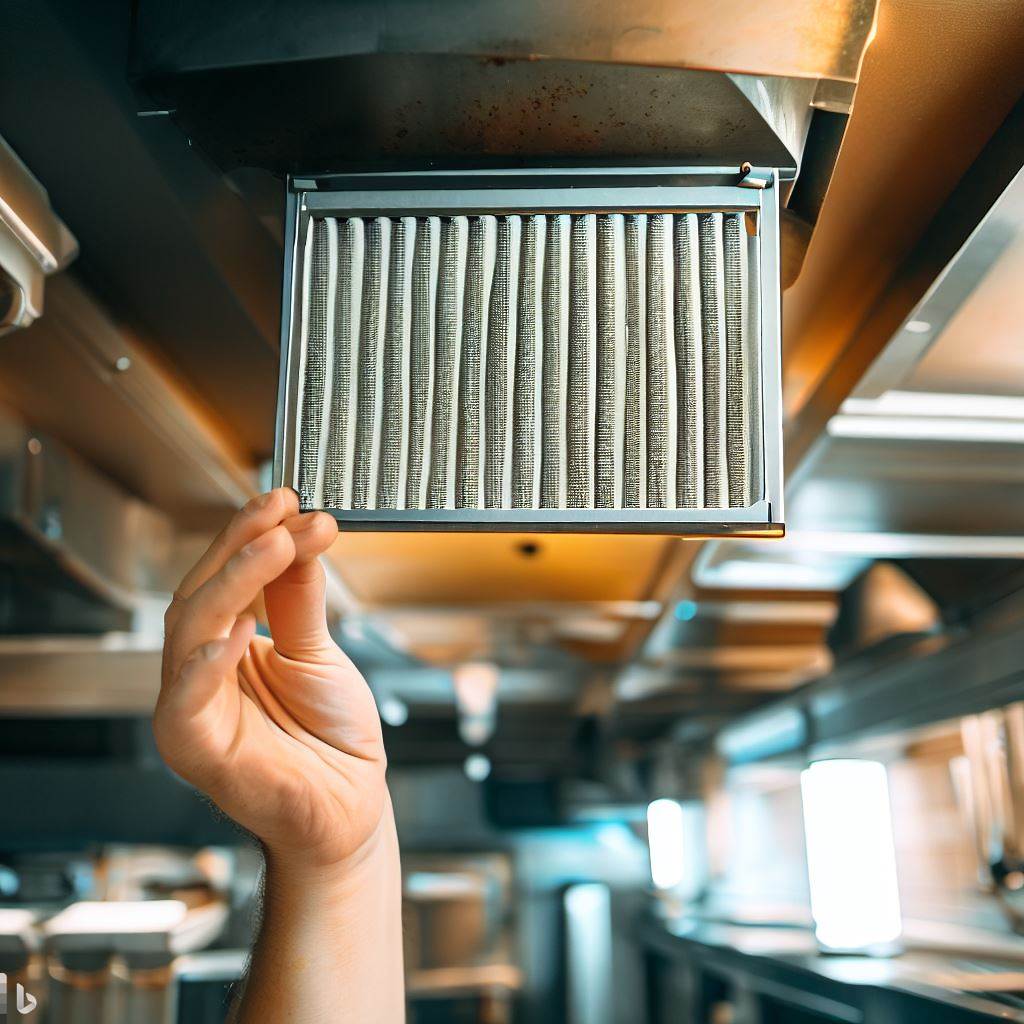
Reducing The Risk Of Fire By Cleaning Filters
Many clients overlook an important aspect of fire safety: cleaning and maintaining filters in commercial premises like restaurants, fast food outlets, and care homes. Let’s focus on two common risks that, if addressed, can reduce the risk of fire and help meet legal and insurance requirements. Canopy filters Canopy [...]
What Are The Benefits of Regular Fire Drills and Preparing For An Emergency In The Workplace?
A fire drill is an unavoidable event that evokes a variety of emotions. While it may be seen as an inconvenience or disruption to the usual routine, regular fire drills and emergency preparedness are crucial for keeping everyone safe during a real emergency. Ensuring the safety and well-being of individuals [...]

Is the UK prepared for the changes from Martyn’s Law once it becomes law?
Martyn’s Law aims to enhance public safety and organisational preparedness across the UK by mandating certain measures for venues and events to mitigate the impact of terrorist attacks. Martyn’s Law is expected to apply to anyone responsible for publicly accessible locations used for entertainment and leisure, retail, food and drink, museums [...]
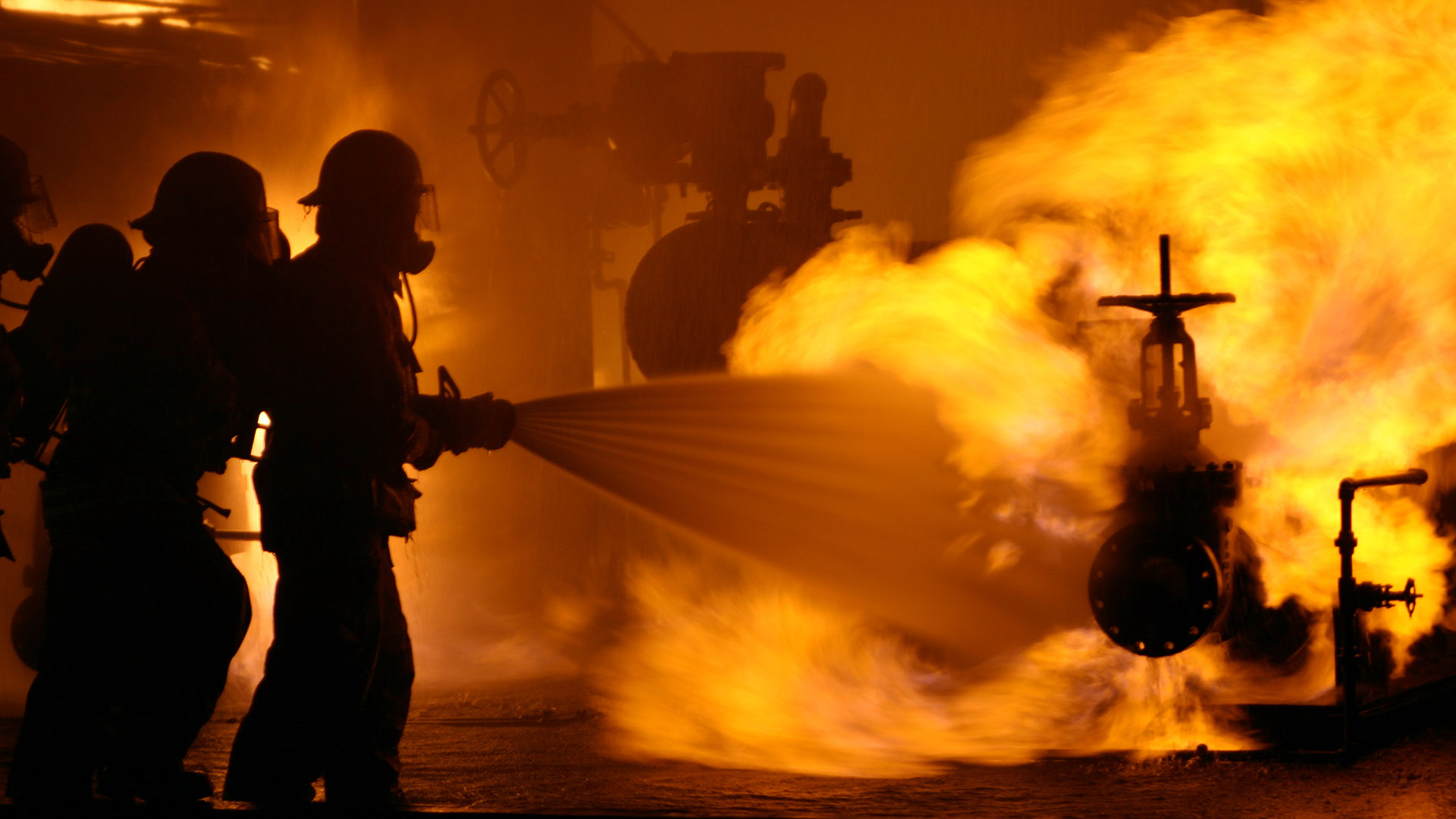
What is a DSEAR Risk Assessment?
A DSEAR risk assessment process involves classifying substances as either non-hazardous or hazardous before deciding what controls need to be put in place. A DSEAR risk assessment can help identify any risks associated with your work situation so you can reduce them. Duty holders must comply with DSEAR by identifying [...]

AXA UK Advises London Businesses to Review Fire Risk Assessments
AXA Commercial, a division of AXA Insurance UK plc, is urging London businesses to reassess their fire risk assessments and employee training following the London Fire Brigade’s (LFB) announcement that, starting in October, it will no longer respond to daytime activations of automatic fire alarms in most non-residential buildings.In the year [...]
