
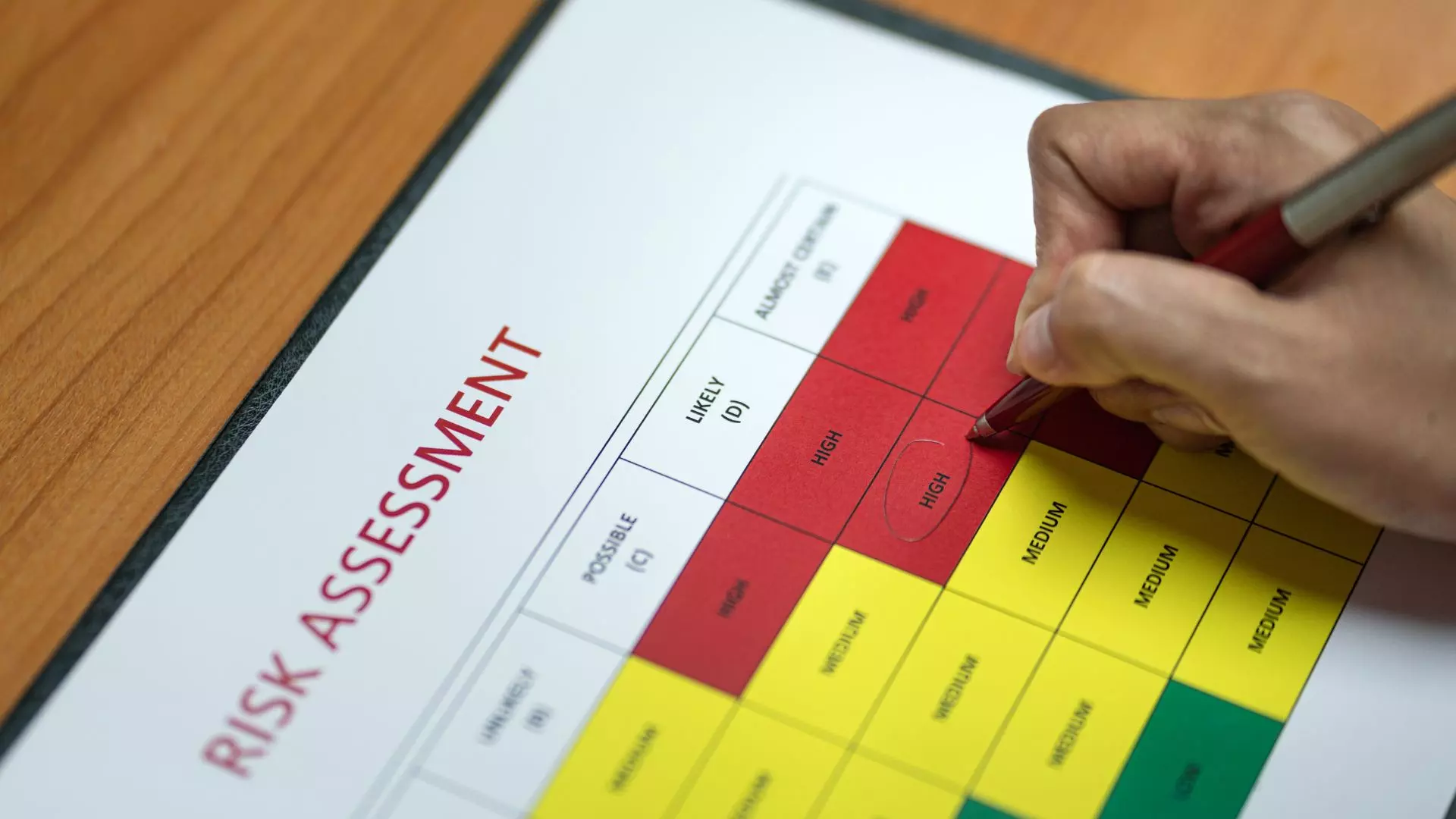
 When you own, manage or occupy a commercial property, health and safety responsibilities can sometimes feel like a long list of things to keep on top of. From maintenance checks and contractor paperwork to fire safety and building compliance, it can be difficult to know exactly what needs to be reviewed and when.
A health and safety risk assessment helps bring everything together. It looks at the building, how it is being used and the potential risks that could affect employees, visitors, contractors and anyone else who may access the site. But what does an assessor look for during a visit? And how does the assessment change depending on the type of property? Here’s what property owners and managers need to know.
If you’re short on time, we have a quick FAQ section at the end you can skip ahead to!
What is a health and safety risk assessment?
As its name suggests, a health and safety risk assessment is a systematic review of a property to identify potential hazards that could cause harm to people, including employees, visitors, contractors and members of the public. The purpose is to understand what risks exist, assess how they are currently being managed and recommend improvements where needed.
The assessment is not a one-size-fits-all checklist. A factory with heavy machinery will require very different considerations from an office building or a retail park. A competent assessment should always reflect how the property is used and the activities taking place there. Typical areas considered include:
- External hazards such as trip risks, vehicle movements and access routes
- Internal building conditions
- Equipment, electrical systems and maintenance records
- Contractor management procedures
- Waste management and housekeeping
- Fire safety considerations
- Water hygiene and asbestos risks
What health and safety assessors look for outside the building
During an assessment, areas such as car parks, entrances, access routes and delivery areas will be reviewed for hazards including:
- Uneven pavements or damaged surfaces
- Trip hazards
- Potholes
- Poorly managed vehicle routes
- Lack of separation between pedestrians and vehicles
For industrial estates and larger commercial sites, traffic management is particularly important. Clear walkways, marked pedestrian routes and safe access points can make a significant difference in reducing accidents.
Sometimes hazards can be dealt with immediately, for example, if an assessor identifies a trip hazard on site, it may be highlighted or physically marked so it is clear what needs attention. This approach helps ensure the assessment leads to improvements rather than simply producing another document that gets filed away.
What health and safety assessors look for inside the building
Once inside the property, the assessment looks at the condition of the building as well as the systems and processes in place to keep people safe. This may include checking:
- Plant and equipment maintenance
- Electrical safety records
- PAT testing records
- Lightning protection checks
- General housekeeping
- Waste storage and removal arrangements
It is not just about what can be seen during a site visit either. The paperwork behind the scenes is equally important. An assessor will often look at how contractors are managed, including whether they have suitable risk assessments in place and whether there are procedures such as permit-to-work systems for higher-risk activities. Other areas reviewed may include the health and safety policy, workplace risk assessments and whether there are suitable processes in place for the activities carried out on site.
How the assessment changes depending on the type of property
Every building is different, which means every health and safety risk assessment needs to be approached differently. A factory or industrial unit may have risks linked to machinery, vehicles, production processes and pedestrian routes. In these environments, assessors will pay close attention to whether people can move around the site safely and whether working areas are clearly defined.
An office environment may have different considerations, such as workstation safety, electrical equipment, contractor activity and general workplace conditions. Retail parks and commercial estates also require careful consideration, particularly around customer access, parking areas and vehicle movements. The most effective assessments focus on the real risks associated with the property, rather than following a standard checklist that does not take the building’s purpose into account.
How health and safety links with fire, water and asbestos management
A health and safety risk assessment often highlights areas that connect with other parts of property compliance. Fire safety is one of the main areas where responsibilities overlap. During an assessment, it may be necessary to review things such as:
- Fire alarm servicing records
- Fire extinguisher checks
- Emergency routes
- General fire safety arrangements
Water hygiene can also be a consideration, particularly in buildings where water systems need ongoing management. A health and safety risk assessment will look at existing documentation and may recommend a separate water hygiene risk assessment if one has not been completed or is no longer valid. Additionally, older buildings may need particular attention when it comes to asbestos. If a building was constructed before 2000 and there is no asbestos management survey in place, this may be flagged as something that needs to be addressed.
Identifying these issues early gives property owners the opportunity to deal with them before they become a bigger problem.
Do vacant properties need health and safety risk assessments?
It’s pretty common for people to assume that a vacant building has fewer risks and therefore doesn’t need a risk assessment because nobody is using it every day. In reality, empty properties can bring their own challenges. Without regular activity, problems can go unnoticed for longer.
Buildings can become vulnerable to:
- Unauthorised access
- Vandalism
- Deterioration
- Fire risks
- Damage to the property
Even without staff or customers present, risks still exist. Batteries, electrical items, accidental ignition sources and damage to the building can all contribute to potential problems. Vacant does not mean risk-free. Property owners and managers still have a responsibility to make sure reasonable steps are taken to keep the building safe and secure.
Who is responsible for a health and safety risk assessment?
A health and safety risk assessment needs someone responsible for making sure any recommendations are followed. This is usually the landlord, property owner, managing agent or occupier, depending on the arrangements in place.
Having a named responsible person helps ensure actions are not overlooked and that safety improvements are actually carried out. A good assessment should give you a clear understanding of where risks exist, what needs to change and how you can keep your property safe for everyone who uses it.
If you need support with a health and safety risk assessment for your commercial property, we can provide tailored advice based on your building and how it is used. Contact the team for a no-obligation quote.
Frequently asked questions
What is included in a health and safety risk assessment?
A health and safety risk assessment looks at potential hazards within and around a property, including trip risks, equipment safety, maintenance records, contractor management, fire safety considerations and workplace activities.
Who needs a health and safety risk assessment?
Commercial landlords, property managers, employers and occupiers may all have responsibilities for managing health and safety risks depending on their role and how the building is used.
How often should a health and safety risk assessment be reviewed?
A risk assessment should be reviewed regularly and whenever there are significant changes to the building, its use, equipment or working practices. For more information on risk assessment frequency, you can take a look at our guide.
Do vacant properties need health and safety checks?
Yes, empty buildings can still present risks, and owners remain responsible for managing hazards, maintaining the property and preventing issues caused by neglect or unauthorised access.
What information should I provide for a health and safety risk assessment?
Providing documents such as maintenance records, contractor information, PAT testing records, equipment servicing records and existing health and safety policies can help the assessment process run more smoothly.
