
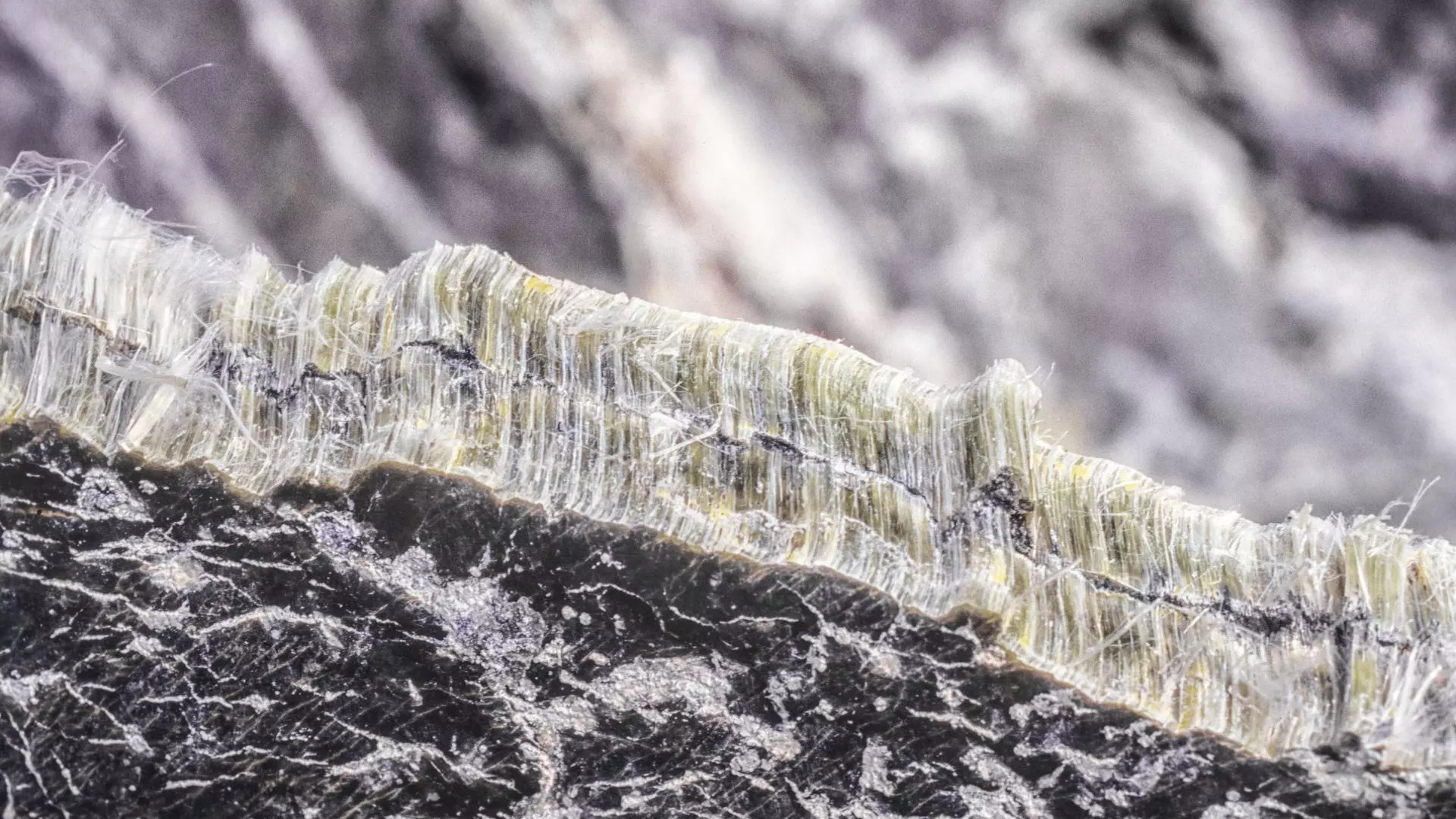
 If your building has asbestos, you’re probably already aware of your responsibilities when it comes to managing it safely and staying compliant. But did you know you should also tell your local fire and rescue service? It’s something that’s often overlooked, yet it could make a big difference if there’s ever a fire at your property.
When asbestos-containing materials are exposed to fire, they can become damaged and release harmful fibres into the air. Firefighters heading into that environment need to know what they’re dealing with so they can take the right precautions before entering the building. Luckily, sharing this information is usually straightforward, and it all starts with having an up-to-date asbestos register.
Why do firefighters need to know about asbestos?
When a fire crew is called to a building, they have to make quick decisions with the information available to them. Obviously, this means that the more they know before they arrive, the better prepared they can be.
If asbestos has been identified in your building, letting the fire and rescue service know means that information can often be linked to your property. If they’re ever called out, they’ll already know asbestos is present and can plan their response accordingly. That doesn’t mean they won’t go in if people need help. It just means they can arrive knowing there’s another hazard to consider, rather than discovering it once they’re already inside.
What happens to asbestos during a fire?
Asbestos was used in buildings because it could withstand heat incredibly well. For decades, it was built into everything from insulation and ceiling tiles to wall panels and pipe lagging. The problem starts when those materials are damaged.
A fire can cause asbestos-containing materials to crack, break apart or crumble, releasing tiny fibres into the air. Those fibres are impossible to see, but they can be inhaled without anyone realising. Once they’re in the lungs, they stay there. That’s why asbestos exposure can lead to serious illnesses years or even decades later. For firefighters working in already dangerous conditions, knowing asbestos could be present allows them to take the right precautions before they enter the building.
How do you let the fire and rescue service know?
Many fire and rescue services have online portals or property information systems where you can submit details about asbestos in your building. The information is then stored against the property’s address, so if firefighters are called out, it’s available to them while they’re on their way. The process isn’t exactly the same everywhere, so it’s worth contacting your local fire and rescue service to find out how they manage this information.
Even if there’s no legal requirement for your particular building, it’s still good practice to share it. After all, if emergency crews are putting themselves at risk to protect your property, giving them as much information as possible is the right thing to do.
Should you get an asbestos management survey?
Of course, you can’t tell anyone about asbestos if you don’t know it’s there! That’s why an asbestos management survey is so important for buildings built before 2000. The survey identifies any accessible asbestos-containing materials, records where they are and assesses their condition. From there, an asbestos register is created, giving you a clear record of what’s in the building and how it should be managed.
That register isn’t just there to tick a compliance box. It’s a practical document that helps contractors work safely, supports your asbestos management plan and gives you the information you can share with the fire and rescue service. It’s also worth remembering that asbestos isn’t always obvious. Experienced surveyors often find it in places most people would never think to look, which is why relying on guesswork simply isn’t enough.
At RM Risk Management, we provide professional asbestos management surveys, re-inspection surveys and practical compliance support for commercial and residential properties across the UK. Contact our experienced team to arrange your asbestos management survey and take the first step towards protecting your building.
Frequently asked questions
Do all pre-2000 buildings need an asbestos management survey?
If your building was built before 2000 and falls under the duty to manage asbestos, a management survey is normally the starting point for identifying and recording any asbestos-containing materials.
Does asbestos always need to be removed?
No, if it’s in good condition and unlikely to be disturbed, asbestos can often remain in place and be managed safely through regular inspections.
How often should asbestos be inspected?
Asbestos that’s being managed in situ should generally be re-inspected every 12 months, although more frequent inspections may be appropriate in some buildings.
How do I share asbestos information with the fire and rescue service?
Many fire and rescue services have online portals or property information systems. Contact your local service to find out how they collect and store asbestos information.
Why is sharing asbestos information so important?
It helps firefighters understand the risks before they arrive, allowing them to take appropriate precautions if asbestos-containing materials are likely to have been affected by the fire.
