
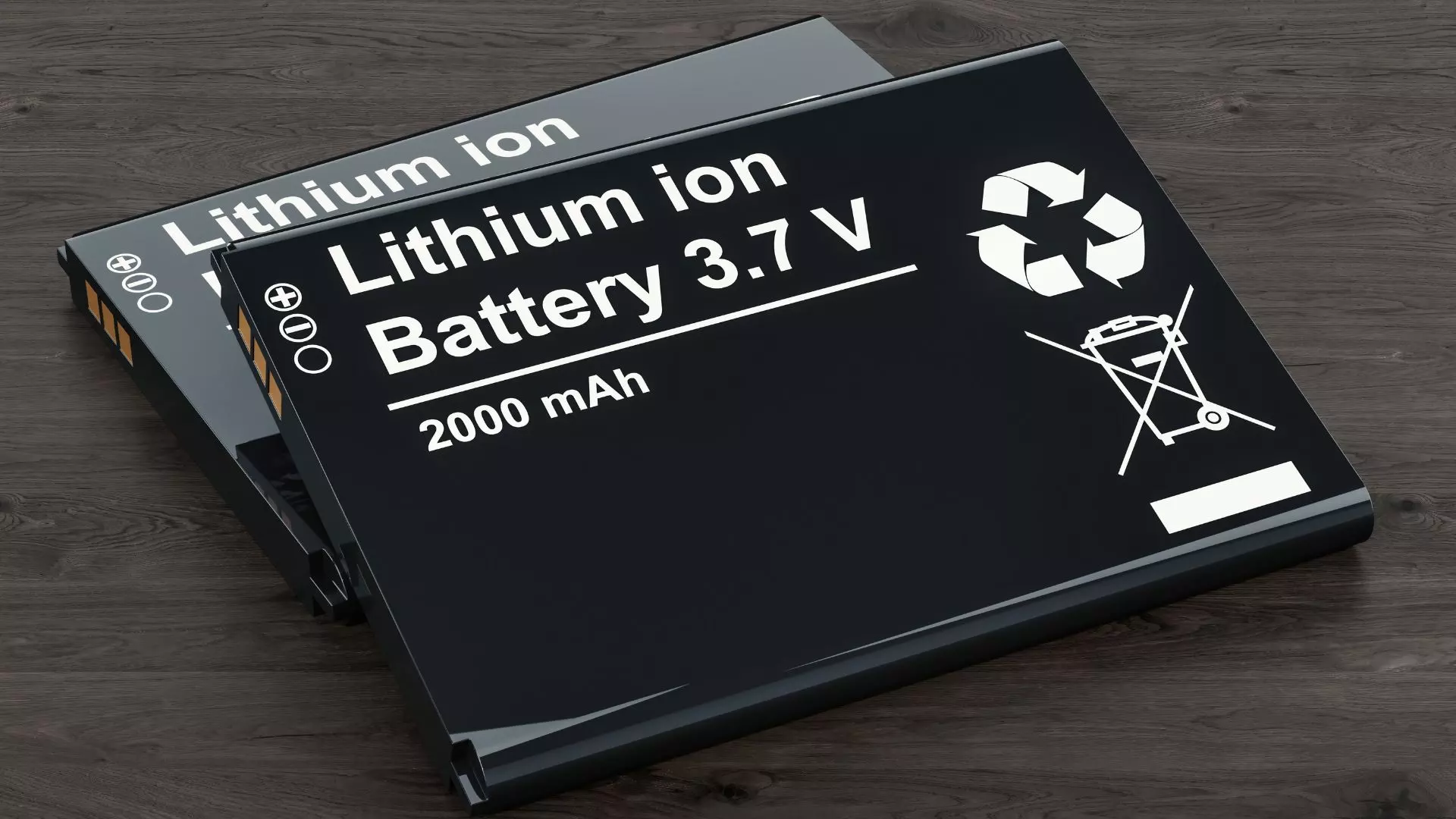
 From smartphones and laptops to e-bikes, power tools and electric vehicles, lithium-ion batteries have become part of everyday life. This is all thanks to the fact that they’re efficient, rechargeable and essential to many of the devices we now rely on. But they also introduce a fire risk that building owners, landlords and responsible persons can no longer afford to overlook.
As the number of lithium-powered devices continues to grow, so does the potential for fires in residential buildings, workplaces and shared spaces. Unlike many traditional fires, lithium-ion battery fires behave differently, making prevention and good management more important than ever. If you manage a residential block, commercial property or multi-occupied building, here’s what you need to know.
Are lithium-ion batteries a fire risk?
The quick answer is yes, they are. While most lithium-ion batteries are safe when they’re manufactured, used and charged correctly, failures can and do happen. When they do, the resulting fire can be extremely intense.
Lithium-ion battery fires burn at very high temperatures and can be difficult to extinguish because they’re driven by a chemical chain reaction inside the battery itself. Even after the flames appear to be out, the battery can reignite hours later if it hasn’t fully stabilised. This makes them very different from more conventional fires and means they often require a different response from the fire service.
Although the likelihood of any individual battery catching fire remains relatively low, the sheer number of batteries now in circulation means the overall risk across the built environment continues to increase.
Where does the risk of fire from lithium-ion batteries come from?
Many lithium-ion battery fires start in everyday situations that are entirely preventable.
One of the most common examples is batteries being thrown into general waste bins. Damaged batteries from items like disposable vapes, power tools or household electronics can become crushed during collection, causing them to ignite. If this happens in a communal bin store, the fire can spread rapidly before anyone notices.
Damaged devices also present a higher risk. Batteries that have been dropped, punctured, exposed to water or otherwise compromised should never continue to be used or charged. Another major concern is the growing market for cheap replacement batteries. Counterfeit or low-quality batteries may not include the same safety features as genuine manufacturer-approved products. While they may seem like a cost-saving option, they can increase the likelihood of overheating or failure during charging. For landlords and property managers, educating residents and staff about buying genuine replacement batteries can be one of the simplest ways to reduce risk.
Can E-scooter, E-bike and EV batteries catch fire?
The popularity of e-scooters, e-bikes and electric vehicles has introduced new challenges for fire safety. These devices contain much larger battery packs than everyday electronics, meaning any fire has the potential to develop much more quickly.
One of the biggest concerns in residential buildings is where these devices are stored and charged. If an e-bike or e-scooter is left charging in a communal hallway or on an escape route, a battery failure could quickly block the only means of escape for residents. Many well-publicised fires involving e-bikes and e-scooters have been linked to modified devices, poor-quality replacement batteries or unsafe charging arrangements.
That’s why clear management controls are so important. Residents should understand where these devices can and cannot be stored, and communal areas should remain free from anything that could obstruct escape or introduce unnecessary fire risk.
Landlord responsibilities for managing lithium-ion battery fire risk
A common question is whether landlords are responsible if a resident purchases an unsafe battery or charges a device incorrectly. In reality, landlords cannot control every purchasing decision made by residents.
What they are responsible for is managing the risks within the parts of the building they control. That includes ensuring:
- E-bikes and e-scooters are not stored in communal areas or escape routes.
- Fire doors and compartmentation are maintained to help contain any fire.
- House rules clearly explain storage and charging expectations.
- Any designated charging facilities are properly managed.
Of course, good management controls won’t eliminate every risk, but they can significantly reduce the likelihood of a small incident becoming a major fire.
How to safely manage EV and E-bike charging points
As more buildings introduce electric vehicle charging and dedicated charging areas for bikes or scooters, careful planning becomes essential. If charging facilities are provided, they should be located in a designated area that has been considered as part of the building’s overall fire safety strategy, and not as a last minute add on.
The surrounding area should be kept free from combustible materials, and any charging arrangements should be included within the building’s fire risk assessment. Depending on the type of installation and the building, your fire risk assessor may also recommend informing the local fire service about the presence of charging facilities and the associated lithium battery risks. Every building is different, which is why professional advice is so important.
How to respond to a lithium-ion battery fire
Lithium-ion battery fires can be extremely challenging to tackle once they’ve started. Specialist methods for containing these fires continue to develop, but the safest approach is always prevention.
If a lithium does battery catches fire, you should:
- Move away from the area if it is safe to do so.
- Raise the alarm and evacuate the building if necessary.
- Call the fire service immediately.
- Follow your building’s emergency procedures.
For landlords and responsible persons, preventing the fire in the first place is far more effective than relying on emergency response. That includes encouraging proper battery disposal, ensuring batteries are never placed in general waste, and providing residents with clear fire safety information about safe charging, storage and disposal.
What should be in your fire risk assessment?
A fire risk assessment should now consider lithium-ion battery hazards as part of the overall fire strategy. This includes reviewing:
- Storage of e-bikes, e-scooters and other battery-powered devices.
- Charging arrangements within the building.
- Waste disposal procedures for batteries.
- Controls for communal areas and escape routes.
- Resident communication and fire safety guidance.
- Any additional measures needed for charging installations.
As lithium-powered devices become increasingly common, these risks are no longer unusual, they’re becoming part of everyday fire safety management. A competent fire risk assessment can identify where improvements are needed and help ensure your building remains compliant while protecting residents, visitors and staff.
Final thoughts
If you’re reviewing your fire safety arrangements, now is the right time to make sure lithium-ion battery risks are fully considered. A professional BAFE Life Safety Fire Risk Assessment can help you identify emerging hazards, strengthen your management controls and ensure your building is prepared for the changing fire risks of today’s environment.
If you’re unsure whether your building is adequately protected, our team can help. Contact RM Risk Management for tailored advice, a professional fire risk assessment, or a no-obligation quote to ensure your property is prepared for today’s evolving fire risks.
Frequently asked questions
Are lithium-ion batteries more dangerous than other types of batteries?
Lithium-ion batteries can present a greater fire risk because they burn at very high temperatures and may reignite after the flames appear to have been extinguished. While failures are uncommon, the consequences can be more severe than with many traditional battery types.
Can I store e-bikes and e-scooters in communal areas?
It’s best to avoid storing or charging e-bikes and e-scooters in communal areas or on escape routes. These spaces should remain clear so occupants can evacuate safely in the event of a fire.
What causes most lithium-ion battery fires?
Common causes include damaged batteries, incorrect charging, counterfeit or poor-quality replacement batteries, manufacturing defects and improper disposal, such as placing batteries in general waste.
Should lithium-ion battery risks be included in a fire risk assessment?
Yes, a competent fire risk assessment should consider how lithium-ion batteries are stored, charged and disposed of, particularly in residential buildings, workplaces and other multi-occupied premises where battery-powered devices are commonly used.
How should lithium-ion batteries be disposed of?
Lithium-ion batteries should never be thrown into general waste or recycling bins. They should be taken to an approved battery recycling or collection point to reduce the risk of fires during waste handling.
Do landlords need to provide charging facilities for e-bikes or electric vehicles?
There is no general legal requirement to provide charging facilities. However, if charging points are installed, they should form part of the building’s fire safety strategy and be assessed as part of the fire risk assessment, with suitable management controls in place.
